
Falls are one of the most important safety concerns affecting older adults, but many falls can be prevented. Simple improvements to the home, regular physical activity, medication reviews, appropriate footwear, vision care, and conversations with healthcare professionals can all play a role in reducing risk.
This issue is receiving increased attention during Falls Prevention Awareness Week 2026, observed September 21–25. The annual campaign led by the National Council on Aging encourages older adults, families, caregivers, and communities to take practical steps toward preventing falls and maintaining independence.
Fall prevention should not be limited to one week each year. Families can make it part of everyday safety planning by regularly reviewing the home environment and recognizing changes in mobility, balance, vision, or medication use.
For additional guidance, explore our Senior Safety resources and Home Safety articles.
Why Fall Prevention Matters for Older Adults
Falls become more common with age because several risk factors may occur at the same time. Changes in muscle strength, balance, eyesight, hearing, reaction time, blood pressure, medication use, and the home environment can all contribute.
According to the Centers for Disease Control and Prevention, more than 14 million adults age 65 and older report falling each year. Falls are also a leading cause of injury in this age group.
A fall can lead to fractures, hospitalization, reduced mobility, or fear of falling again. In some cases, an older adult may begin avoiding walking or other activities after a fall. Reduced activity can weaken muscles and balance, which may actually increase future fall risk.
The goal of prevention is therefore not simply avoiding injury. It is also helping older adults remain active, confident, and independent.
Start With a Fall Risk Check
Someone does not need to experience a serious fall before discussing prevention. A healthcare professional can evaluate factors such as previous falls, balance difficulties, walking problems, medication side effects, blood pressure changes, vision, and other health concerns.
The CDC’s STEADI fall prevention initiative gives healthcare professionals tools to screen, assess, and address fall risks among older adults.
Families should also pay attention to smaller warning signs. Holding onto furniture while walking, feeling dizzy after standing, frequently stumbling, avoiding stairs, or becoming nervous about walking outside may indicate that additional assessment would be useful.
Make Walking Areas Clear and Easy to Navigate
Many falls happen at home, where clutter and familiar surroundings can cause people to underestimate hazards. Walk through each room and examine the normal route between the bedroom, bathroom, kitchen, living area, and exterior doors.
Remove shoes, electrical cords, boxes, newspapers, and other objects from walking paths. Secure loose carpeting and consider removing small area rugs that slide or curl at the edges.
Furniture should leave enough space for comfortable movement, especially for anyone using a cane or walker.
The National Institute on Aging’s room-by-room fall prevention guidance recommends keeping walkways clear and ensuring that carpets are securely attached.
Improve Lighting Throughout the Home
Poor lighting can make small obstacles, changes in floor height, and stair edges difficult to see. Make sure frequently used areas are well illuminated, particularly hallways, stairs, bathrooms, entrances, and the path between the bedroom and bathroom.
Place light switches where they can be reached before entering dark areas. Night lights or motion-activated lighting can help illuminate nighttime routes without requiring someone to search for a switch.
Replace burned-out bulbs promptly and consider increasing lighting in areas where shadows make surfaces difficult to distinguish.
Our article on smart home technology and household accident prevention also explains how motion-activated lighting can support safer nighttime movement.
Build Strength and Improve Balance
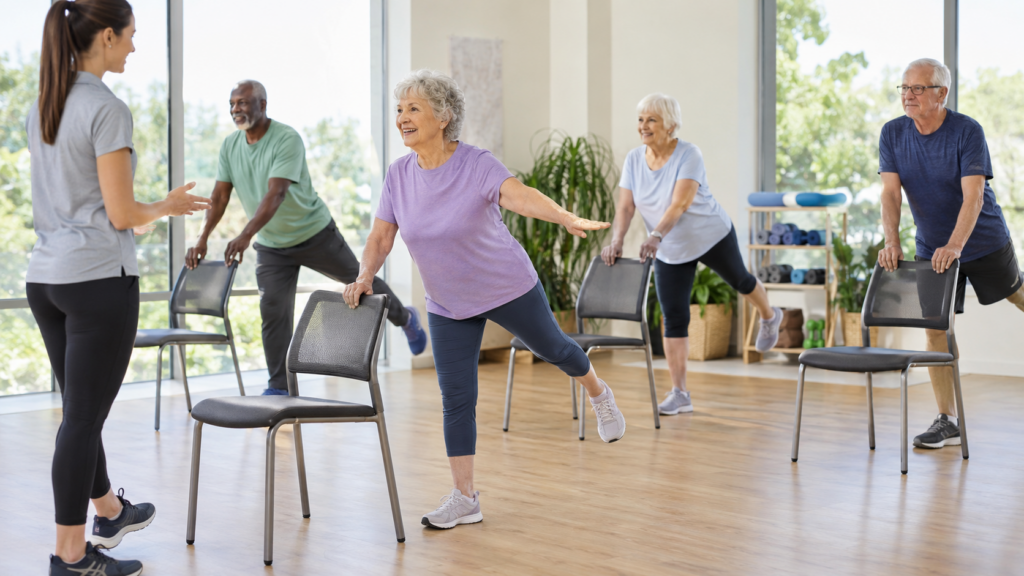
Physical activity is one of the most useful components of fall prevention. Exercises that strengthen the legs and improve balance can make everyday activities such as standing, walking, and using stairs easier.
The CDC’s fall prevention recommendations encourage older adults to discuss appropriate strength and balance activities with their healthcare providers. Tai chi is one example of an activity commonly used to improve balance.
Exercise should match the individual’s abilities and medical needs. Someone who has already fallen, experiences dizziness, or has significant mobility limitations should seek professional advice before beginning a new exercise program.
Community centers, senior centers, physical therapy clinics, and local health organizations may offer fall prevention or balance classes specifically designed for older adults.
Review Medications Regularly
Some prescription and over-the-counter medications can contribute to dizziness, sleepiness, confusion, blurred vision, or blood pressure changes. Taking several medications at once may further complicate these effects.
Older adults should keep an updated medication list and periodically review it with a physician or pharmacist. Include prescription drugs, over-the-counter medicines, sleep aids, supplements, and herbal products.
The National Institute on Aging recommends asking healthcare professionals whether medications may cause dizziness or sleepiness that could increase fall risk.
Do not stop prescription medication without medical guidance. The purpose of the review is to identify possible concerns and determine whether dosages, timing, or medications should be adjusted by the appropriate healthcare professional.
Make the Bathroom Safer
Bathrooms deserve particular attention because wet surfaces, limited space, and movements such as stepping into a tub can increase the risk of slipping.
Install properly secured grab bars near the shower, bathtub, and toilet where needed. Use nonslip surfaces inside and outside bathing areas. A shower chair or handheld showerhead may be useful for someone who has difficulty standing safely.
Do not rely on towel racks or soap holders as substitutes for grab bars. They may not be designed to support body weight.
Keep frequently used toiletries within easy reach so an older adult does not need to stretch, bend deeply, or stand on something to reach them.
Check Stairways and Handrails
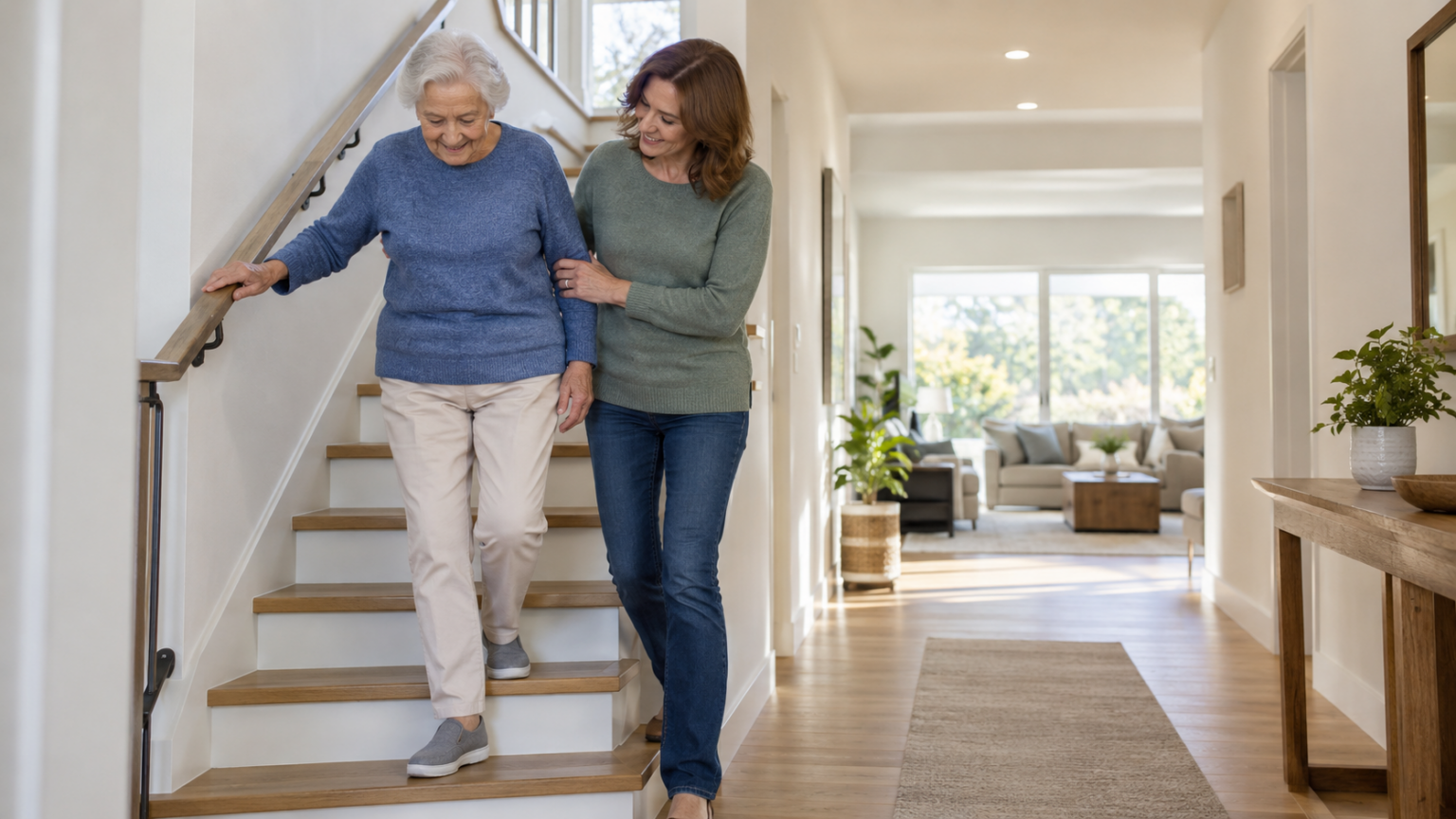
Stairs should be free of clutter and well lit from top to bottom. Secure handrails provide important support and should be firmly attached.
The National Institute on Aging recommends handrails on both sides of stairs when possible. Users should hold the rail while climbing or descending and avoid carrying items that block their view of the steps.
Repair loose carpeting, uneven steps, damaged boards, or other structural problems promptly. Outdoor steps should also be inspected for water, leaves, ice, cracks, or poor lighting.
Choose Footwear Carefully
Shoes affect traction and stability. Loose slippers, worn soles, high heels, or shoes that fit poorly may increase the chance of slipping or stumbling.
Choose supportive footwear that fits correctly and has a stable, nonslip sole. Avoid walking around the home in socks on smooth floors if slipping is a concern.
Foot pain, numbness, or changes in walking should also be discussed with an appropriate healthcare professional because these problems can affect balance.
Keep Vision and Hearing Checks Up to Date
Clear vision helps people notice obstacles, recognize changes in floor surfaces, and judge distances. Hearing can also contribute to awareness of surroundings.
The CDC’s guidance on vision and older-adult falls recommends regular eye examinations and keeping eyeglass prescriptions current.
When someone receives new glasses, particularly multifocal lenses, allow time to adjust before navigating unfamiliar stairs or walking areas.
Stand Up Slowly
Some people experience a sudden drop in blood pressure when standing after sitting or lying down. This can cause lightheadedness or unsteadiness.
Move slowly when getting out of bed or rising from a chair. Sit at the edge of the bed briefly before standing when necessary, and use a stable support if recommended by a healthcare provider.
Recurring dizziness should not simply be accepted as part of aging. It deserves medical attention, especially if it has contributed to a fall or near-fall.
Use Mobility Aids Correctly
A cane or walker can improve stability when it is correctly selected and adjusted. Using equipment that is the wrong height or in poor condition may create additional problems.
A physical therapist or another qualified professional can help determine which mobility aid is appropriate and demonstrate how to use it safely.
Check rubber tips, wheels, brakes, handles, and folding mechanisms regularly. Replace worn components before they fail.

What to Do After a Fall
A fall should be taken seriously even if no obvious injury is present. An older adult who hits their head, experiences severe pain, cannot stand, loses consciousness, or has other concerning symptoms may need emergency medical care.
Do not rush to stand immediately after falling. First determine whether an injury may have occurred. If assistance is needed, call for help rather than attempting movements that could worsen an injury.
Afterward, tell a healthcare provider about the fall. Identifying why it happened can help prevent another one.
Make Fall Prevention a Family Conversation
Families should approach fall prevention as a way to support independence rather than restrict it. Removing every activity out of fear can reduce confidence and physical conditioning.
Instead, ask the older adult which situations feel difficult. A slippery shower, dark hallway, steep step, or medication side effect may have a practical solution.
During September, families can also use the NCOA Falls Prevention Awareness Week resources to learn about screenings, community programs, and additional prevention strategies.
Small Changes Can Support Long-Term Independence
Fall prevention does not require transforming a home overnight. Start with the highest-risk areas and make improvements gradually. Clear walkways, add lighting, secure handrails, improve bathroom safety, review medications, check vision, and make strength and balance activity part of a healthy routine.
Falls Prevention Awareness Week is a useful reminder that falls are not simply an unavoidable consequence of getting older. Practical changes and professional guidance can help many older adults remain active and independent.
Explore additional resources in our Senior Safety category, browse our Home Safety guides, or visit the AccidentsPrevention.org Blog for more practical accident prevention information.