
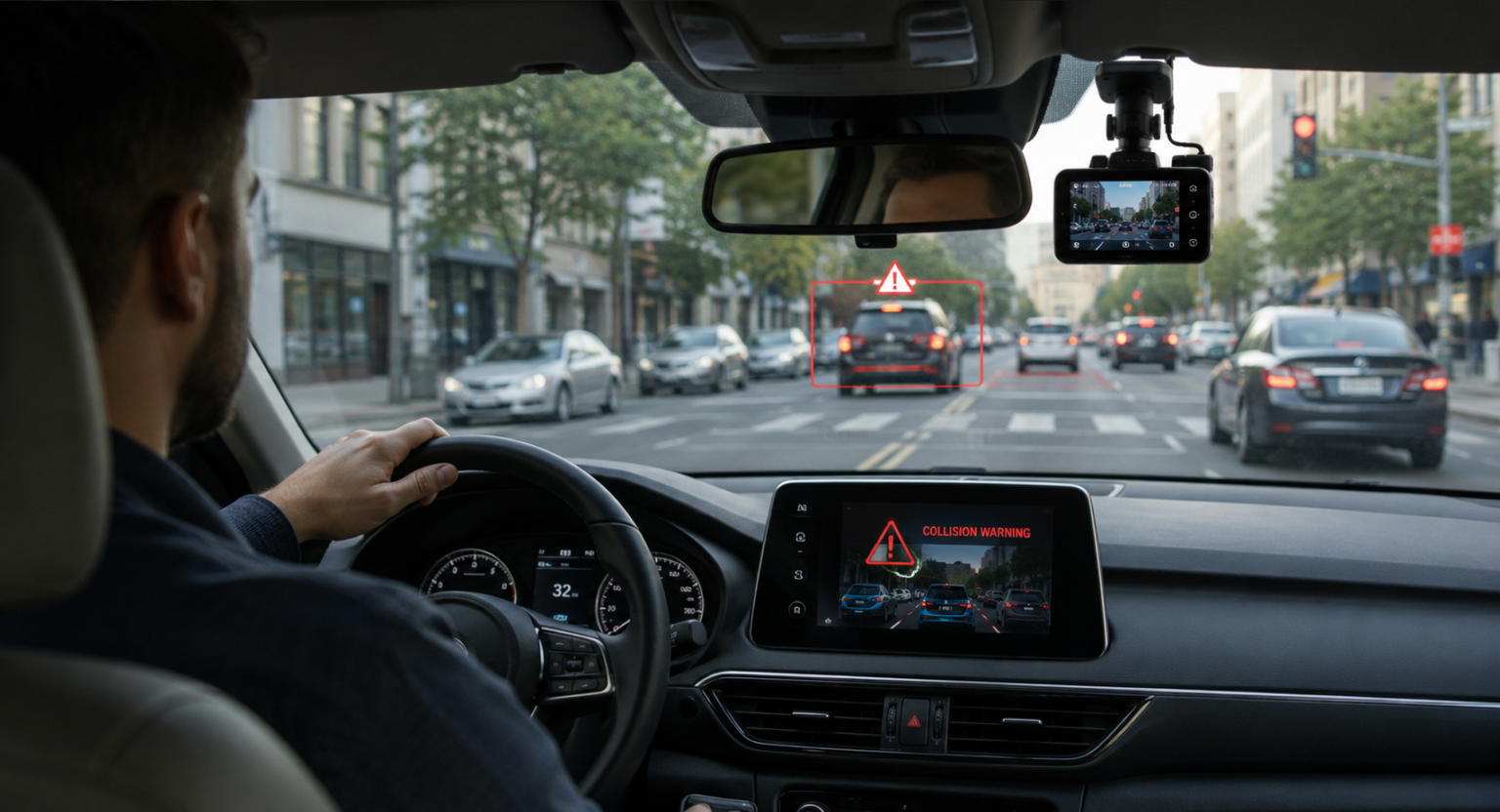
Artificial intelligence is transforming road safety in ways that were unimaginable just a few years ago. While traditional dashcams simply recorded events for later review, today’s AI-powered dashcams actively help drivers avoid crashes before they happen. Using advanced computer vision, machine learning, and real-time driver monitoring, these systems can detect dangerous situations, alert drivers to potential hazards, and even assist fleet managers in reducing risky driving behaviors.
As traffic volumes continue to increase and distracted driving remains a major concern, AI dashcams have become valuable safety tools for personal vehicles, commercial fleets, rideshare drivers, and businesses. Rather than replacing attentive driving, they serve as an additional layer of awareness that can help reduce preventable accidents.
If you’re interested in improving everyday driving habits, explore our road safety resources and other accident prevention guides available throughout AccidentsPrevention.org.
What Is an AI Dashcam?
An AI dashcam combines traditional video recording with artificial intelligence capable of analyzing road conditions in real time. Instead of merely capturing footage after a collision, these systems continuously evaluate traffic, road markings, pedestrians, cyclists, surrounding vehicles, and driver behavior.
Using onboard processors, many AI dashcams provide immediate audio and visual alerts whenever they recognize developing hazards. Some models also upload safety events to secure cloud platforms for later review by drivers or fleet managers.
How AI Helps Prevent Collisions
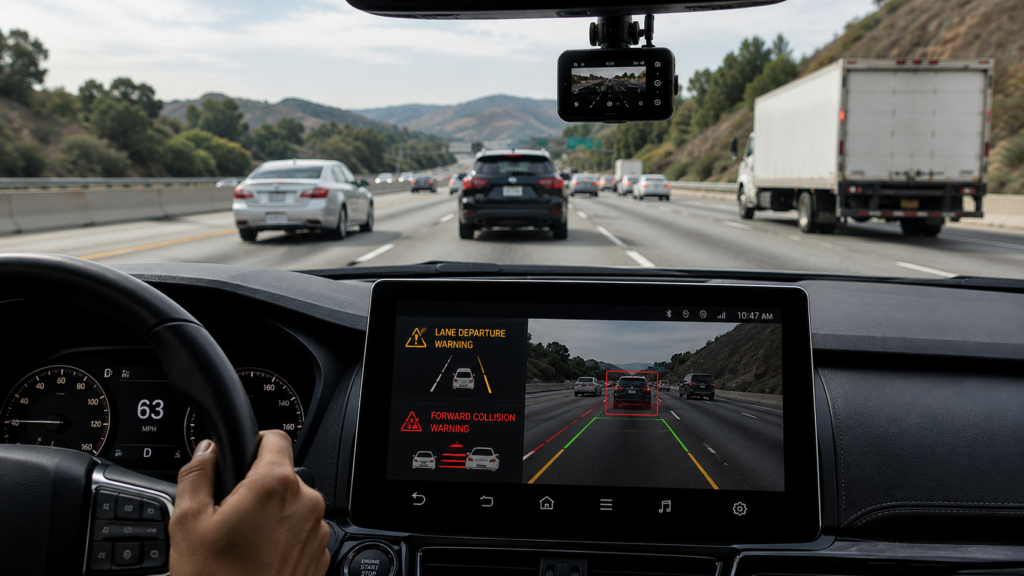
Artificial intelligence processes thousands of visual data points every second. This allows the dashcam to recognize patterns associated with unsafe driving situations before they become emergencies.
Common features include:
- Forward collision warnings
- Lane departure alerts
- Unsafe following distance detection
- Pedestrian recognition
- Cyclist detection
- Traffic sign recognition
- Speed monitoring
- Blind spot awareness (on supported systems)
Rather than reacting after a crash occurs, these systems encourage drivers to correct unsafe behavior immediately.
Driver Monitoring Technology
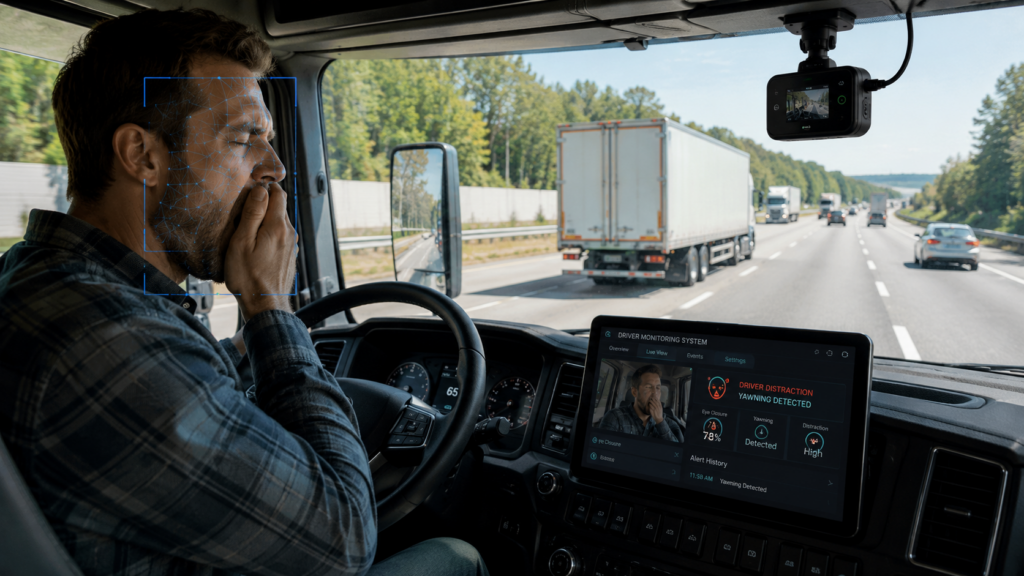
Many of today’s AI dashcams include inward-facing cameras that monitor the driver’s level of attention. While privacy remains an important consideration, these systems are increasingly used in commercial fleets where driver safety is a priority.
The technology may detect:
- Eyes leaving the road
- Cell phone usage
- Yawning and fatigue
- Drowsiness
- Smoking while driving
- Seatbelt noncompliance
Immediate alerts encourage drivers to refocus before dangerous situations develop.
Benefits for Commercial Fleets
Commercial transportation companies have rapidly adopted AI dashcams because they provide measurable improvements in fleet safety. Fleet managers can review safety events, coach drivers, identify recurring risks, and reward safe driving habits.
Many organizations report reductions in harsh braking, distracted driving, speeding incidents, and preventable crashes after implementing AI-based driver monitoring systems.
Helping Everyday Drivers
Although commercial fleets were among the earliest adopters, AI dashcams are becoming increasingly affordable for private vehicle owners.
Families appreciate features such as:
- Teen driver monitoring
- Parking surveillance
- Automatic emergency recording
- Road hazard notifications
- Insurance claim documentation
These technologies provide additional peace of mind without replacing responsible driving practices.
Privacy Considerations
Drivers should understand how AI dashcams collect, store, and process recorded footage. Before purchasing a device, review the manufacturer’s privacy policy, cloud storage practices, and available security settings. Some systems allow local storage only, while others upload encrypted footage to cloud servers.
Choosing the Right AI Dashcam
When comparing models, consider video quality, night vision performance, GPS capability, cloud storage options, driver monitoring features, smartphone integration, software updates, and ease of installation.
Reliable manufacturers frequently improve detection accuracy through firmware updates, helping systems recognize new traffic scenarios over time.
The Future of Road Safety
Artificial intelligence continues to evolve rapidly. Future dashcams may communicate directly with connected vehicles, traffic infrastructure, and emergency response systems to provide even earlier warnings.
As advanced driver assistance systems become more common, AI dashcams will likely complement these technologies rather than replace them. Their role in reducing distracted driving and improving driver awareness is expected to continue growing.
Building Safer Driving Habits
Technology alone cannot eliminate every crash. Safe driving still depends on attentive drivers, proper vehicle maintenance, following traffic laws, and avoiding distractions behind the wheel.
AI dashcams simply provide another tool that helps drivers recognize hazards sooner and respond more effectively.
For more educational resources, visit our About Us page and explore additional safety articles published on AccidentsPrevention.org.
Authoritative Resources
- National Highway Traffic Safety Administration
- Insurance Institute for Highway Safety
- National Safety Council
- CDC Injury Center
- AAA Foundation for Traffic Safety
Conclusion
AI-powered dashcams represent one of the most significant advancements in personal vehicle safety in recent years. By combining real-time hazard detection, driver monitoring, and intelligent alerts, these systems help drivers recognize potential dangers before they lead to collisions. When paired with attentive driving and responsible habits, AI dashcams can play an important role in reducing preventable accidents and making roads safer for everyone.