
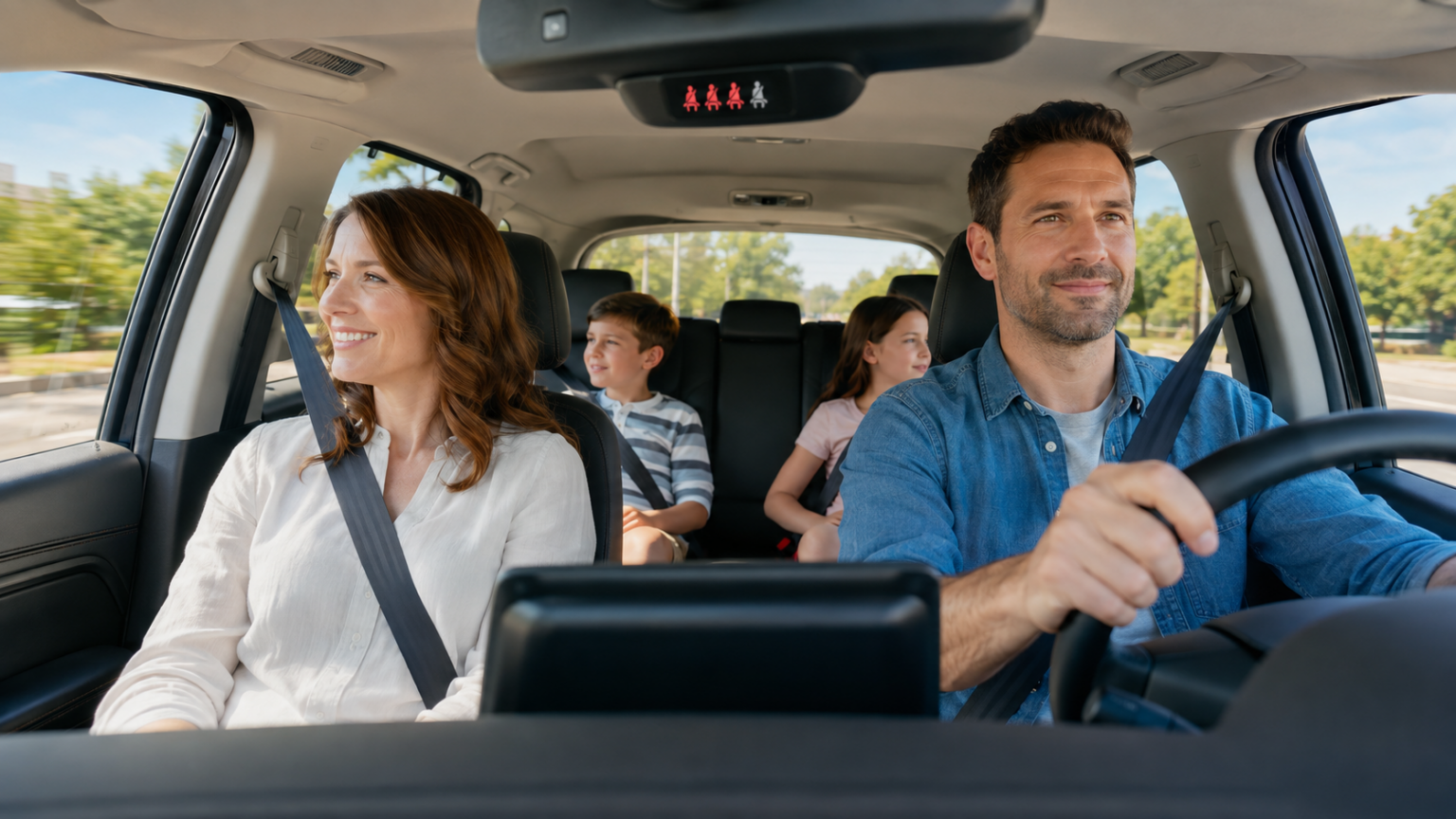
Seat belt reminder systems are becoming more prominent in modern vehicles as automakers expand alerts beyond the driver’s seat. These systems use visual indicators and audible warnings to encourage occupants to buckle up before and during a trip. Recent federal rule changes have also renewed attention on front and rear seat belt reminders and the role they can play in vehicle safety.
In April 2026, the National Highway Traffic Safety Administration updated the federal requirements covering these systems. The agency set September 1, 2028, as the unified compliance date for enhanced front and rear seat belt warning requirements. Many vehicles already provide similar technology voluntarily, so drivers may encounter increasingly advanced reminders well before that date.
Understanding these alerts can help vehicle owners use them properly rather than treating them as an inconvenience. For more information about everyday vehicle safety, explore our Car Safety guides and broader Road Safety resources.
What Is a Seat Belt Reminder System?
A seat belt reminder system monitors whether designated seat belts are fastened. Depending on the vehicle, sensors may also help determine whether a seating position is occupied.
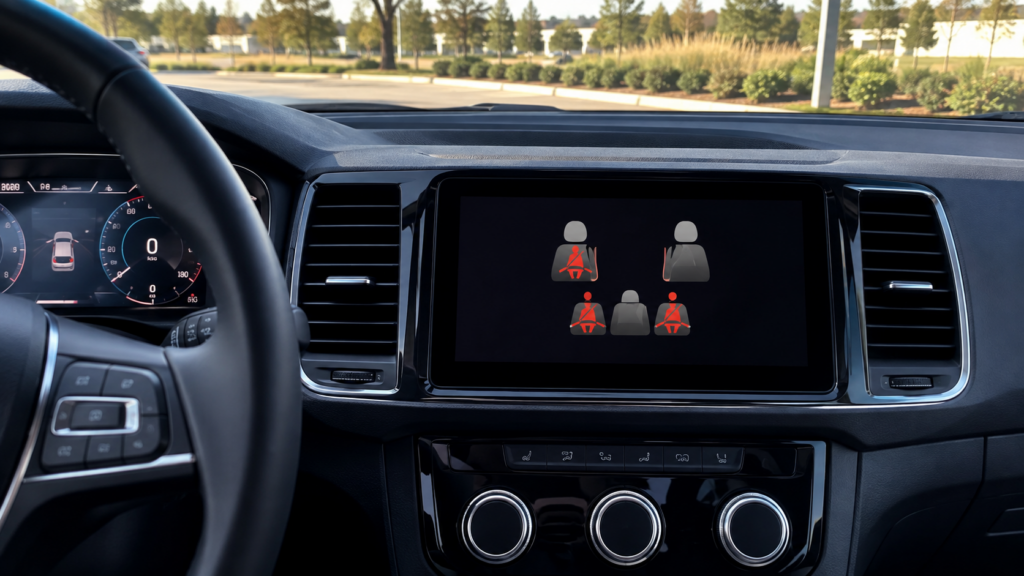
When the system detects an unfastened belt under certain conditions, it can activate a warning light, dashboard icon, audible chime, or combination of alerts. Some vehicles display individual seating positions so the driver can quickly identify which passenger has not buckled up.
The National Highway Traffic Safety Administration emphasizes seat belt use as a basic part of occupant protection. Modern reminders add another layer by prompting occupants when a belt has not been fastened.
What Changed With the Federal Rules in 2026?
Federal Motor Vehicle Safety Standard No. 208 historically required a seat belt warning primarily for the driver’s seating position. NHTSA adopted broader requirements covering enhanced front warnings and rear seating positions.
An April 2026 interim final rule adjusted the implementation schedule. Under the updated rule, covered vehicles have a September 1, 2028, compliance date for the enhanced front and rear requirements. Optional early compliance remains possible.
The full regulatory details appear in the Federal Register’s 2026 seat belt reminder rule.
The change does not mean vehicles lack reminders until 2028. Many manufacturers already offer front passenger and rear seat alerts. The federal requirement establishes standards that covered new vehicles must eventually meet.
Why Rear Seat Reminders Matter
Some passengers mistakenly believe the rear seat makes a seat belt less necessary. A rear seating position can provide important protection, but occupants still need to use the available restraint correctly.
An unrestrained rear passenger can strike the interior of the vehicle during a crash. That occupant can also move forward with substantial force and create additional danger for people sitting ahead.
The Centers for Disease Control and Prevention identifies seat belt use as one of the most effective ways to reduce injuries and deaths in motor vehicle crashes. The CDC also notes lower belt use among rear passengers compared with front occupants.
Rear seat reminders can draw attention to this gap. They may be particularly useful for families, carpools, rideshare passengers, teenagers, and groups taking longer trips.
How Modern Reminder Systems Work
Vehicle designs vary considerably. Some systems only monitor whether a buckle is latched. Others combine buckle information with sensors that detect weight or occupancy.
A dashboard may show several seating positions when the vehicle starts. Green or neutral indicators may identify fastened belts, while another symbol can show an unfastened position.
Some systems provide additional warnings if a passenger removes a belt while the vehicle is moving. The alert may continue until the person buckles up again or certain operating conditions change.
The Insurance Institute for Highway Safety evaluates seat belt reminders based on factors such as warning timing, duration, sound level, and the way systems respond when occupants remain unbelted.
Do Not Disable or Ignore Seat Belt Alerts
Repeated reminder sounds can become annoying, especially when a sensor activates because of cargo on a passenger seat. However, defeating the system removes a safety prompt designed for occupants.
Drivers should avoid buckle clips, dummy latches, software modifications, or other products intended to silence reminders without actually using a seat belt.
If a warning activates when nobody occupies the seat, check for bags, groceries, electronics, or other items pressing against the seat. Move cargo to a secure location when practical.
Persistent false warnings may indicate a sensor, buckle, wiring, or system issue. A qualified service provider can inspect the vehicle instead of permanently disabling the alert.
Seat Belts Still Need Proper Positioning
A reminder system only identifies whether a belt appears fastened. It cannot confirm that every occupant has positioned the restraint correctly.
The lap portion should generally sit low across the hips rather than the stomach. The shoulder portion should cross the chest and shoulder rather than the neck, face, or arm.
A passenger should not place the shoulder belt behind the back or underneath an arm to silence the reminder. Doing so can reduce the protection provided by the restraint.
Drivers and passengers can review additional guidance through NHTSA’s seat belt safety resources.
Children Need the Correct Restraint for Their Size
A seat belt reminder does not determine whether an adult seat belt is suitable for a child. Children may need a rear facing car seat, forward facing car seat, or booster seat depending on their development and the restraint’s limits.
When children outgrow a forward facing seat, a booster can position the vehicle’s lap and shoulder belt more appropriately. Moving to an adult seat belt too early can create poor belt fit.
NHTSA provides detailed car seat and booster seat guidance for parents and caregivers.
Never treat a dashboard buckle indicator as confirmation that a child is properly restrained. Check the actual installation and fit before every trip.
What to Consider When Buying a Vehicle
Drivers shopping for a new or used car can include seat belt reminder technology among their safety considerations. Sit in the vehicle and examine how clearly the system communicates belt status.
Check whether the dashboard identifies individual rear seating positions. Ask what happens when someone unbuckles after the vehicle starts moving.
Owners should also review the vehicle manual. It may explain occupant sensors, warning symbols, removable seats, child restraints, and situations that can trigger unusual alerts.
Seat belt reminders should be considered alongside crash protection, automatic emergency braking, blind spot monitoring, headlights, airbags, and other safety features. Our latest safety articles cover additional technologies and prevention strategies for modern vehicles.
Passengers Should Buckle Up on Every Trip
Short trips can create a false sense of security. A crash can occur close to home, in a parking area, on a neighborhood street, or during a familiar commute.
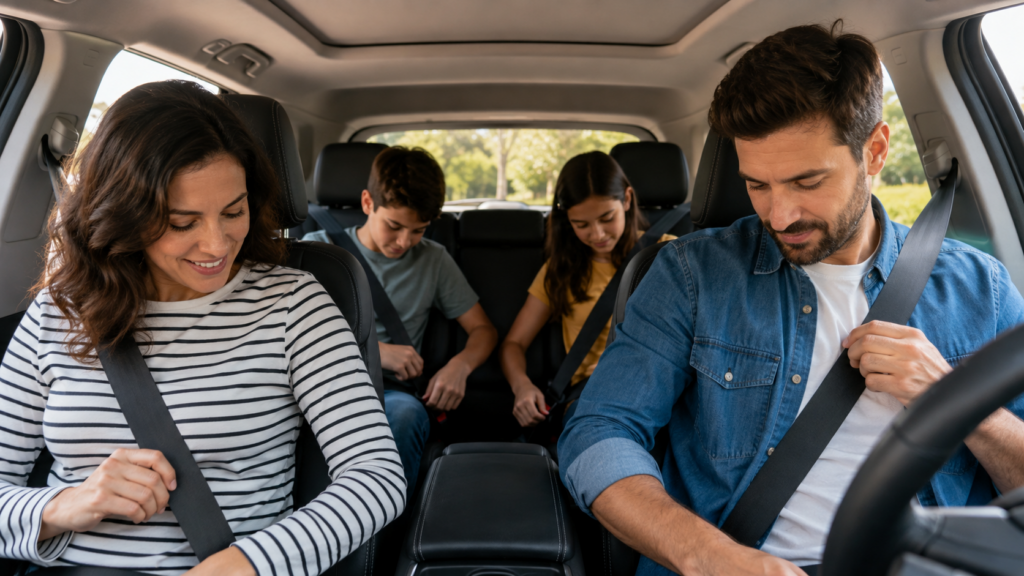
Everyone should buckle up before the vehicle begins moving. This includes passengers sitting in the back seat and people traveling only a short distance.
Drivers can establish a simple routine. Start the vehicle, check mirrors, confirm passengers are restrained, and then begin the trip. If someone removes a belt while traveling, stop safely when necessary and ask that person to buckle again.
Seat Belt Reminders and Older Vehicles
Older cars may provide only a driver’s warning or a brief reminder at startup. The absence of a modern rear seat indicator does not change the need for every occupant to buckle up.
Drivers should avoid adding unapproved aftermarket modifications to imitate newer systems. Instead, establish a verbal or visual check before driving.
Families can make this part of their normal routine, especially when transporting children, teenagers, older adults, or guests who may not be familiar with the vehicle.
Technology Supports Safe Habits
Seat belt reminder systems represent a relatively simple form of vehicle safety technology. Their purpose is not to drive the car or prevent every crash. They encourage one proven behavior that occupants control themselves.
Advanced alerts may become more common as vehicle manufacturers prepare for updated federal requirements. Drivers may notice more detailed rear seat displays, longer warnings, and alerts when a passenger unbuckles during a trip.
These features work best when occupants respond to them rather than searching for ways to silence them. The reminder provides the prompt, but each person still needs to buckle and position the belt correctly.
Making Seat Belt Use Part of Every Drive
Modern vehicles contain increasingly sophisticated cameras, radar units, automated braking systems, and driver assistance features. A properly worn seat belt remains one of the most basic parts of occupant safety.
Seat belt reminder systems reinforce that habit for drivers and passengers. Rear seat alerts can also address seating positions that have historically received less attention.
Before every trip, check that each occupant uses the appropriate restraint. Pay attention to dashboard alerts, investigate unexplained warnings, and avoid devices designed to defeat safety systems.
For more practical vehicle safety information, explore the Car Safety category, browse our Blog, or visit AccidentsPrevention.org for additional accident prevention resources.