
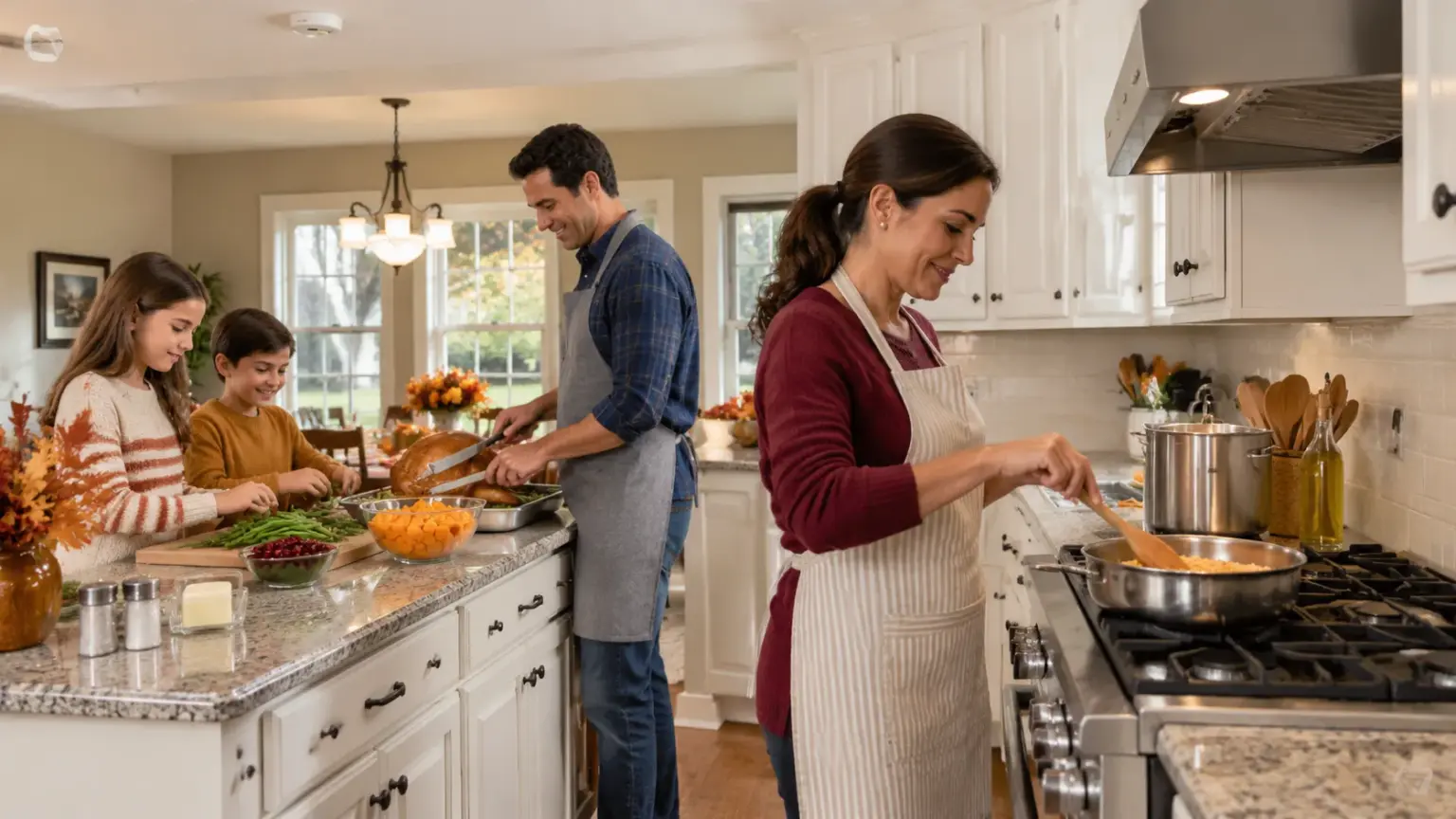
Thanksgiving brings family gatherings, busy kitchens, hot ovens, and several dishes cooking at once. With guests moving through the house, it can be easy to become distracted. A phone call, a conversation at the door, or a quick trip to another room may be enough for food left on a burner to overheat.
Cooking fires are a particular concern during the holiday season. The U.S. Consumer Product Safety Commission reported that Thanksgiving Day averages about 1,400 cooking fires, more than three times the daily average. On November 2, 2026, the American Red Cross and Baltimore City Fire Department launched a holiday home-fire safety campaign highlighting cooking and home-heating risks.
Thanksgiving kitchen fire safety starts with preparation, attention, and clear household rules. Explore more practical guidance in our Home Safety and Emergency Preparedness resources.
Why Thanksgiving Cooking Requires Extra Attention
Holiday meals often involve several appliances, hot liquids, and crowded work areas. Children, pets, guests, and conversations can make it harder to notice a smoking pan or overheating appliance.
The U.S. Fire Administration identifies cooking as the leading cause of home fires and home fire injuries. Unattended equipment is a major contributing factor in nonconfined cooking fires. Stay in the kitchen when frying, grilling, or broiling food. If you need to leave, turn off the burner first.
Stay Alert While Using the Stove and Oven
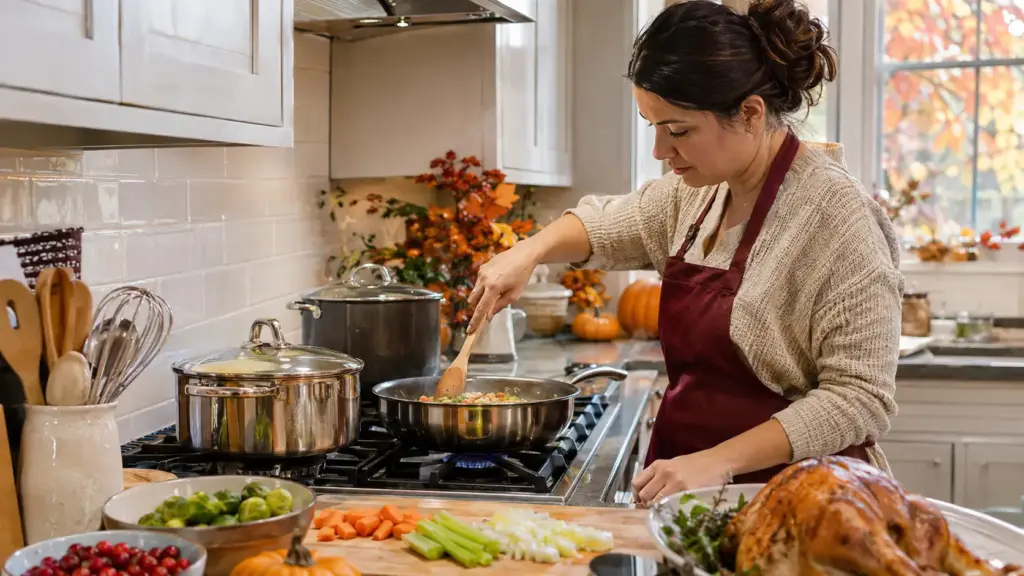
Assign one adult to monitor active stovetop cooking. Do not leave simmering pots, frying pans, or hot oil unattended. Use timers for oven dishes, but still check food and appliances regularly.
Move paper towels, food packaging, dish towels, oven mitts, wooden utensils, and other combustible items away from burners. Turn pot and pan handles inward so they are less likely to be bumped or grabbed by a child. Wear short or close-fitting sleeves to reduce the chance of fabric catching fire.
The CPSC’s safer cooking guidance recommends staying with food while it cooks, keeping flammable items away from heat, and cleaning cooking surfaces to reduce grease and food buildup.
Create a Kid- and Pet-Free Cooking Zone
Hot pans, boiling liquids, sharp knives, and appliance cords can create hazards in a crowded kitchen. Establish a clear zone at least three feet from the stove and other hot cooking areas. Keep pets out of the cooking space, especially when people are carrying hot dishes.
Give children tasks away from active burners, such as setting the table or sorting ingredients at a separate counter. Keep hot dishes away from counter edges and secure appliance cords so they cannot be pulled down.
The American Red Cross home-fire prevention guidance also recommends keeping children at least three feet from the stove.
Use Turkey Fryers With Extreme Caution
Deep-frying a turkey can create serious fire and burn hazards. Outdoor gas-fueled fryers can tip, spill hot oil, or ignite when oil overflows onto a burner. A partially frozen or wet turkey can cause hot oil to splatter, while overfilling or overheating the pot can lead to a fire.
The National Fire Protection Association discourages outdoor gas-fueled turkey fryers. A safer option is to roast the turkey or obtain a professionally prepared fried turkey. If a household nevertheless uses a fryer, follow the manufacturer’s instructions and local fire department guidance. Operate it outdoors on a stable, level surface at least 10 feet from the home and away from decks, garages, porches, eaves, trees, and other combustible materials. Never use it indoors or under a roofed structure.
Never overfill the pot. The turkey must be completely thawed and dry before it is lowered slowly into the oil. Keep children and pets away, monitor the oil temperature, and never leave the fryer unattended. The pot and oil can remain dangerously hot for hours after cooking.
The National Park Service’s turkey fryer safety guidance explains the risks of tipping, overflowing oil, overheating, and hot surfaces. The U.S. Fire Administration’s turkey fryer infographic recommends a level outdoor location at least 10 feet from the home.
Know What to Do if a Grease Fire Starts
Never pour water on burning oil. Water can cause burning grease to splatter and spread the fire. Do not carry a burning pan to the sink or outside.
If a small pan fire starts and it is safe to act, turn off the heat and carefully slide a metal lid or baking sheet over the pan. Leave the cover in place until the pan is completely cool. Do not lift it to check the flames. If the fire spreads or you cannot control it immediately, get everyone outside and call 911.
If an oven or broiler catches fire, turn off the heat and keep the door closed if safe. Keep a suitable fire extinguisher accessible, learn how to use it beforehand, and follow its label. Only attempt to use one on a small, contained fire if you have a clear exit and can act safely.
The CPSC’s holiday cooking safety advice also warns against using water on grease fires and recommends keeping a lid and appropriate extinguisher nearby.
Check Smoke Alarms and Plan an Escape Route
Before the holiday meal, test smoke alarms and maintain them according to the manufacturer’s instructions. Alarms should be installed on every level of the home and near sleeping areas. Replace batteries or devices as directed, and do not disable an alarm because cooking smoke causes nuisance alerts. Use ventilation to reduce smoke buildup.
Keep hallways, doors, and stairs clear of bags, shoes, and decorations. Make sure guests know how to leave the home and choose an outdoor meeting place. Never re-enter a burning building to retrieve belongings or pets.
The Red Cross home fire safety guidance recommends testing smoke alarms monthly and planning two ways out of each room when possible.
Prevent Burns, Cuts, and Trips in a Busy Kitchen
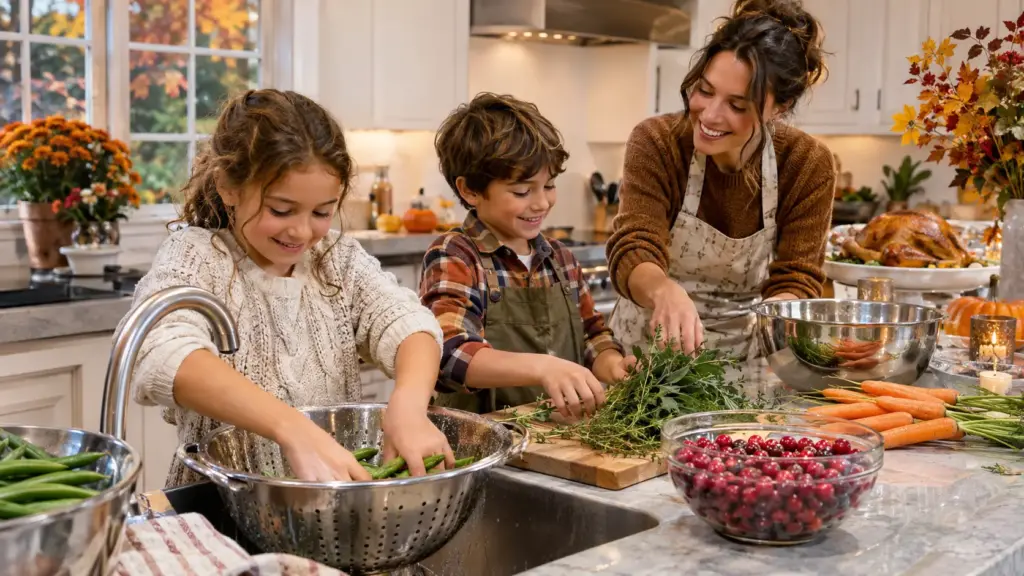
Hot roasting pans, boiling liquids, steam, carving knives, and crowded walkways can cause injuries even when no fire occurs. Use dry oven mitts, place hot dishes on stable heat-resistant surfaces, keep knives out of children’s reach, and clean spills when it is safe. Move bags and toys away from walkways, and ask another adult to help carry large dishes through crowded rooms.
Keep Heating and Electrical Hazards in Mind
As colder weather arrives, space heaters, fireplaces, extension cords, and portable appliances may add hazards. Keep heating equipment at least three feet from anything that can burn, place heaters on stable surfaces, and follow the manufacturer’s electrical instructions. Never use an oven or stove to heat the home.
If a power outage occurs, operate generators outdoors and follow carbon monoxide precautions. Our guide to carbon monoxide safety during power outages explains why fuel-burning equipment must be kept away from doors, windows, and vents. You can also review our power outage preparedness guide.
Make a Simple Thanksgiving Kitchen Safety Plan
Before guests arrive, decide who will supervise the stove, who will handle hot dishes, and which areas children and pets should avoid. Test alarms, clear exits, keep a pan lid and suitable extinguisher accessible, and review the household escape plan. If using a turkey fryer, consider a safer cooking method first and never improvise with the equipment.
Thanksgiving kitchen fire safety does not require complicated equipment. Staying attentive, keeping combustible items away from heat, supervising children, and knowing how to respond to a grease fire can reduce preventable risks and help protect everyone at the gathering.
Explore more practical advice in our Home Safety category, browse our Emergency Preparedness resources, or visit the AccidentsPrevention.org blog.