
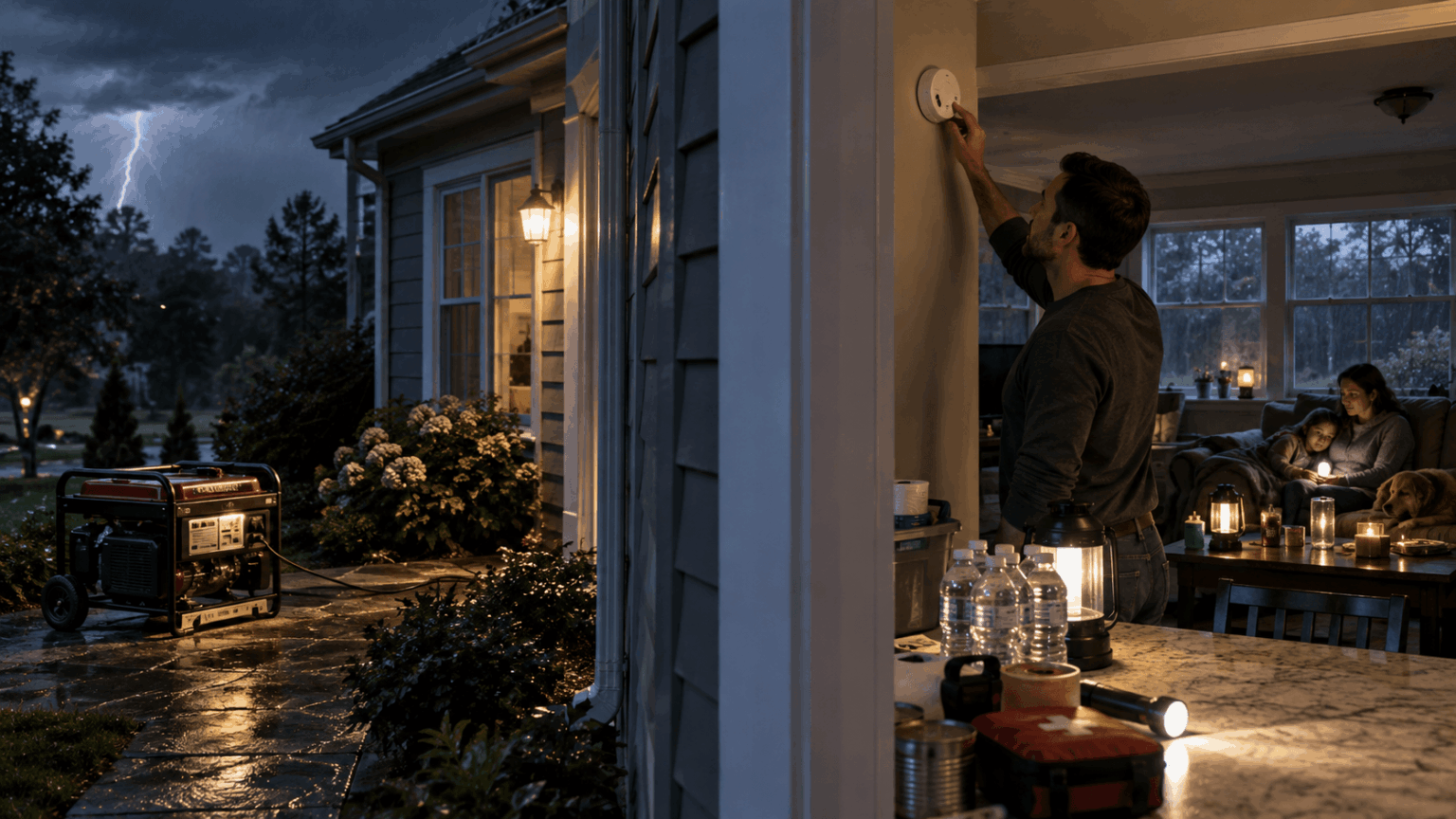
Power outages can create hazards that continue long after the electricity goes out. Families may turn to portable generators, fireplaces, fuel-burning heaters, vehicles, grills, or other equipment for power and warmth. When these devices burn fuel, they can produce carbon monoxide, a poisonous gas that cannot be seen or smelled.
Carbon monoxide safety deserves particular attention during hurricanes, severe thunderstorms, winter storms, wildfires, and other emergencies that interrupt electrical service. Improper generator use is one of the most serious risks, but furnaces, fireplaces, vehicles, charcoal grills, and other fuel-burning equipment can also allow carbon monoxide to accumulate.
Households can reduce the danger by preparing before an outage, maintaining working alarms, placing generators correctly, servicing heating equipment, and knowing the symptoms of exposure. Explore additional planning resources in our Emergency Preparedness section and Home Safety guides.
What Is Carbon Monoxide?
Carbon monoxide, often abbreviated as CO, is a colorless and odorless gas created when fuels do not burn completely. Gasoline, propane, natural gas, heating oil, wood, charcoal, and other fuels can all produce carbon monoxide.
Common household and emergency sources include furnaces, portable generators, fireplaces, gas water heaters, vehicles, grills, camp stoves, and fuel-burning space heaters.
Because people cannot reliably detect carbon monoxide with their senses, dangerous concentrations may build up without obvious warning. The Centers for Disease Control and Prevention recommends using properly installed carbon monoxide alarms and following safe practices around equipment that burns fuel.
Why Power Outages Increase Carbon Monoxide Risk
During normal conditions, most households use electrical lighting, heating controls, appliances, and communication devices. When power fails, people may improvise with equipment they do not use regularly.
A generator may be moved closer to the house because of rain. Someone might use a grill inside a garage for cooking or attempt to heat a room using a gas oven. A vehicle may be left running while charging phones. Each of these choices can introduce dangerous exhaust into enclosed or partially enclosed spaces.
The U.S. Consumer Product Safety Commission’s 2026 hurricane-season warning highlights carbon monoxide poisoning from portable generators as a major post-storm hazard.
Keep Portable Generators Outside
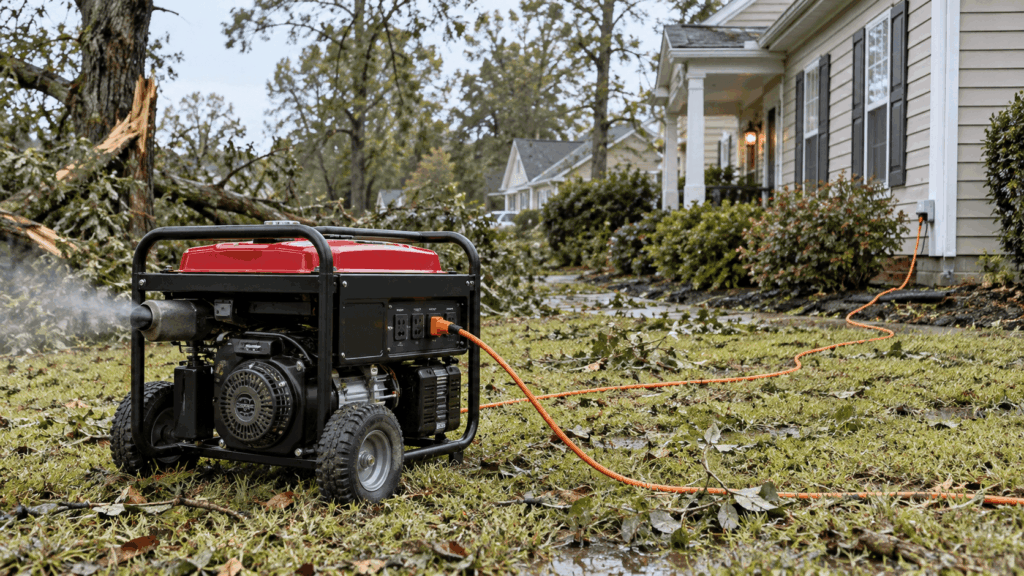
A portable generator should never operate inside a home, garage, basement, shed, carport, crawlspace, or other enclosed or partially enclosed area. Opening a garage door or window does not make indoor generator use safe.
Generator exhaust contains high concentrations of carbon monoxide that can enter a home quickly.
The CDC generator safety guidance recommends operating generators outdoors more than 20 feet from windows, doors, and vents.
Point the exhaust away from the home and other occupied buildings. Check the area around the generator so exhaust cannot enter through an open window, dryer vent, attic vent, air-conditioning intake, or nearby doorway.
Never assume that placing the generator just outside an open garage is sufficient.
Use the Correct Extension Cords and Connections
Generator safety involves both carbon monoxide prevention and electrical safety. Appliances should be connected using heavy-duty extension cords designed for outdoor use and rated for the electrical load.
Inspect cords for damaged insulation, exposed wiring, loose connections, or overheating before use. Keep electrical connections protected from water.
Never attempt to power a house by plugging a portable generator directly into a wall outlet. This practice, sometimes called backfeeding, can create serious electrical hazards for residents, utility workers, and neighboring properties.
A permanently connected generator should use equipment such as an appropriate transfer switch installed according to applicable requirements by a qualified professional.
Install Carbon Monoxide Alarms Before an Emergency
A working carbon monoxide alarm provides an important warning when the gas begins accumulating inside a home.
The U.S. Fire Administration recommends installing CO alarms in a central location outside each separate sleeping area and on every level of the home.
Follow the alarm manufacturer’s placement instructions because recommendations may vary depending on the device.
If alarms are hardwired into the home’s electrical system, make sure they have battery backup so they continue operating during a power outage.
Test alarms regularly and replace the unit when it reaches the end of its recommended service life.
Never Ignore a Carbon Monoxide Alarm
An alarm should be treated as a warning rather than an inconvenience. Do not simply remove the battery or silence the device and remain inside.
If a carbon monoxide alarm sounds, household members should move outside to fresh air and follow emergency instructions. Call emergency services from a safe location.
Do not re-enter the building until emergency personnel or another appropriate authority says it is safe.
An alarm may sound because of a malfunctioning furnace, generator exhaust, blocked vent, vehicle, fireplace, or another source that is not immediately obvious.
Know the Warning Signs of Carbon Monoxide Poisoning
Carbon monoxide poisoning can initially resemble other illnesses. According to the CDC, common symptoms can include headache, dizziness, weakness, upset stomach, vomiting, chest pain, and confusion.
Exposure can become especially dangerous because carbon monoxide may affect a person’s ability to think clearly enough to recognize the problem and leave.
Multiple people developing similar symptoms in the same building should raise concern, particularly when fuel-burning equipment is operating.
People who are sleeping may not notice early symptoms. This is one reason working alarms near sleeping areas are important.
Do Not Use a Gas Oven to Heat the Home
A kitchen range or oven should never be used as a substitute for a home heating system. Using a gas oven for heat may introduce carbon monoxide and create additional fire and burn hazards.
The Ready.gov power outage guidance advises households not to use gas stovetops, ovens, grills, or dryers to heat a home.
If temperatures become unsafe during an extended outage, consider relocating to an emergency shelter, warming center, family member’s home, or another safe location with functioning heat.
Never Bring Charcoal Grills Indoors
Charcoal continues producing carbon monoxide while burning and even while appearing to cool. Never use a charcoal grill inside a home, garage, vehicle, tent, basement, or enclosed porch.
A grill should remain outside in an appropriate open location according to manufacturer instructions.
Camp stoves and other fuel-burning cooking devices also require caution. Only use equipment in locations specifically approved by the manufacturer.
Be Careful When Using Vehicles for Power or Warmth
During an outage, a vehicle may seem like a convenient place to charge phones or stay warm. However, vehicle exhaust also contains carbon monoxide.
Never run a car or truck inside an attached garage, even when the garage door is open. The CPSC carbon monoxide safety guidance warns that enclosed and partially enclosed areas can allow CO to accumulate to dangerous levels.
If a vehicle is used outdoors during an emergency, make sure its exhaust pipe is clear and that exhaust cannot enter nearby buildings.
This is especially important during snowstorms, when snow may block a tailpipe.
Have Furnaces and Heating Systems Inspected
Carbon monoxide hazards are not limited to generators. A furnace, water heater, fireplace, boiler, or other fuel-burning appliance can create problems if it is damaged, poorly maintained, or improperly vented.
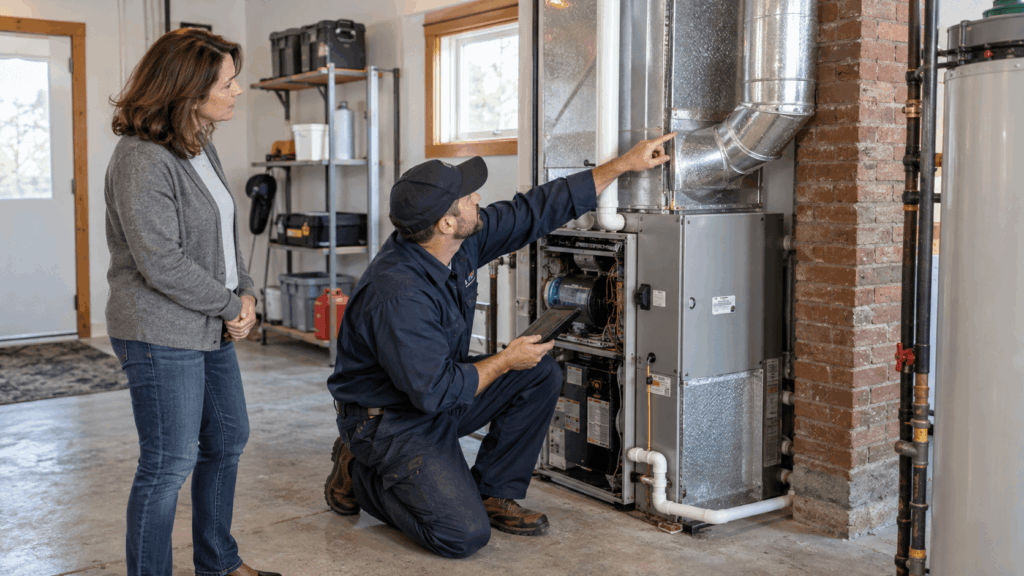
Before heating season, consider having fuel-burning heating equipment, chimneys, and vents inspected and serviced according to manufacturer recommendations and local requirements.
The CPSC recommends annual inspection of home heating systems, chimneys, and vents by a trained service technician.
Do not ignore unusual soot, moisture, discoloration, damaged vent pipes, or recurring appliance shutdowns. These conditions may require professional evaluation.
Keep Exterior Vents Clear
Storm debris, leaves, snow, ice, animal nests, or other obstructions can interfere with appliance venting.
Know where furnace, dryer, water heater, and other exhaust outlets are located outside the home. Inspect them after severe weather when it is safe to do so.
Never alter or block a vent to keep cold air, rain, or snow outside.
During winter weather, accumulated snow around an exterior vent may prevent gases from escaping properly.
Include CO Safety in Your Power Outage Plan
Carbon monoxide prevention should be part of the household’s broader emergency strategy.
Before severe weather, test CO alarms, charge flashlights and power banks, review generator instructions, check outdoor extension cords, and confirm where the generator will be operated.
Our guide on preparing for wildfire smoke and power outages provides additional guidance for emergency supplies, backup power, evacuation planning, and medical needs.
Families can also create a family emergency communication plan so household members know how to reconnect if a storm or outage separates them.
Check on Older Adults and Other Vulnerable Household Members
Everyone can be affected by carbon monoxide, but some people may experience serious effects more quickly or may have difficulty recognizing or responding to an alarm.
During outages, check on older relatives, neighbors living alone, and people who rely on caregivers or medical equipment.
Make sure they have working alarms and understand that outdoor generators and grills must remain outside.
If someone depends on electrically powered medical equipment, develop a separate backup power and relocation plan before an outage occurs.
Do Not Take Risks to Keep the Power On
When electricity is unavailable for hours or days, the pressure to keep refrigerators, heaters, medical devices, phones, and lights operating can lead to unsafe decisions.
Moving a generator closer to the home, operating equipment inside because of bad weather, or using an oven for heat can introduce hazards that are more dangerous than the outage itself.
If generator conditions are unsafe, use another location for temporary shelter when possible. Emergency planning should include places where household members can relocate during prolonged outages.
Prepare Before the Next Outage
Carbon monoxide safety depends on preparation because the gas cannot be detected by sight or smell. Households should maintain working alarms, understand the safe location for portable generators, service fuel-burning equipment, keep vents clear, and avoid using outdoor appliances indoors.
When an alarm sounds or carbon monoxide exposure is suspected, leave the building and seek emergency assistance rather than attempting to locate the source yourself.
As severe-weather season continues and colder weather approaches, reviewing these steps now can help families avoid preventable hazards later.
Explore more practical resources in our Emergency Preparedness category, visit our Home Safety section, or browse the latest AccidentsPrevention.org articles.